Operations never stop
Essential services frequently operate 24/7, requiring union representatives to support members across shifts, nights, weekends and geographically distributed workplaces.
Essential Services
Support round-the-clock workforces across healthcare, emergency response, transit, and other essential services.
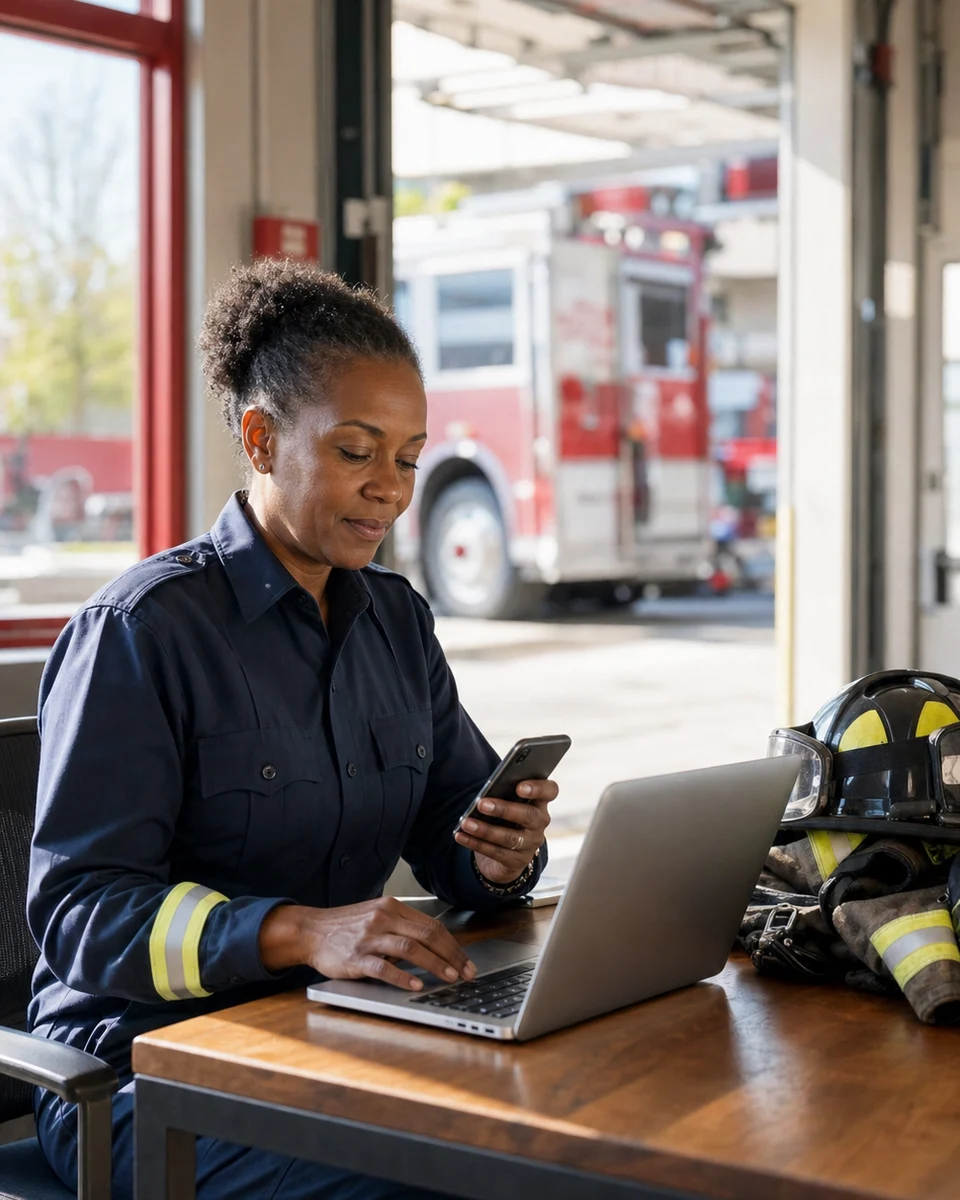
Essential-service unions represent workers whose jobs cannot simply stop when normal operations do. Union Software gives officers, staff and representatives the infrastructure to support members across shifts, stations, facilities, regions and specialized classifications while maintaining continuity in demanding operational environments.
A firefighter works in a very different operational environment than a police officer. A paramedic has different scheduling, deployment and certification requirements than a utility worker. Corrections, emergency communications and transit each bring their own representation challenges.
Union Software is designed around those differences.
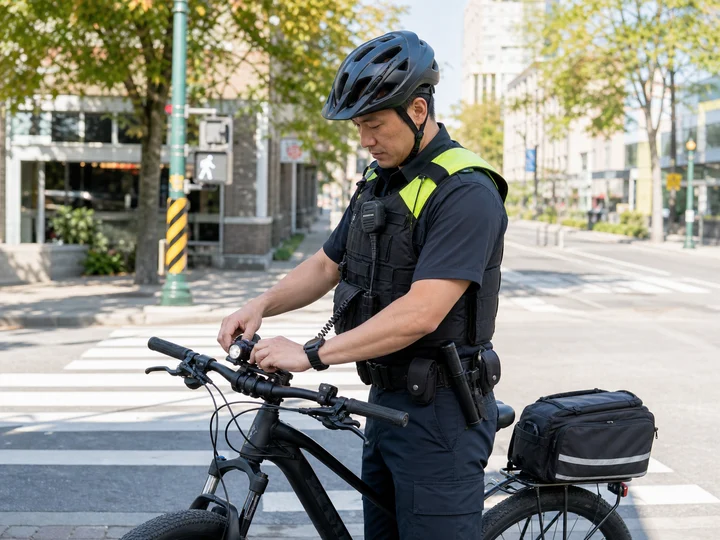
Support members across divisions, detachments, units, assignments and complex public-safety environments.
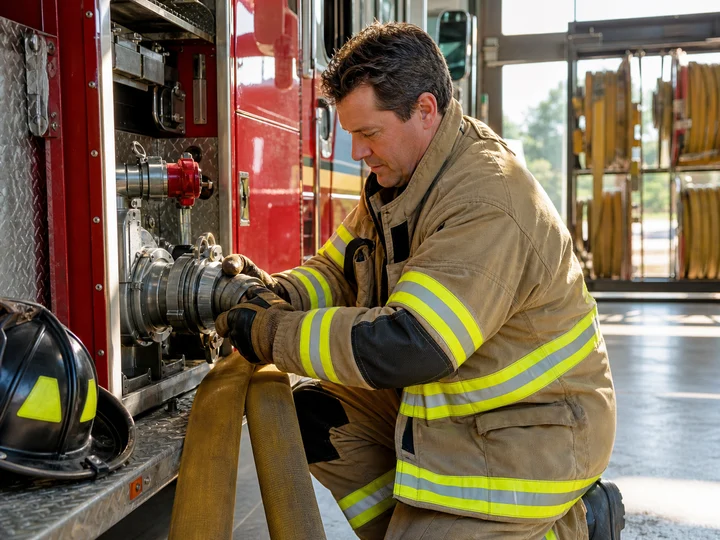
Coordinate representation across stations, platoons, classifications and 24/7 emergency-response operations.
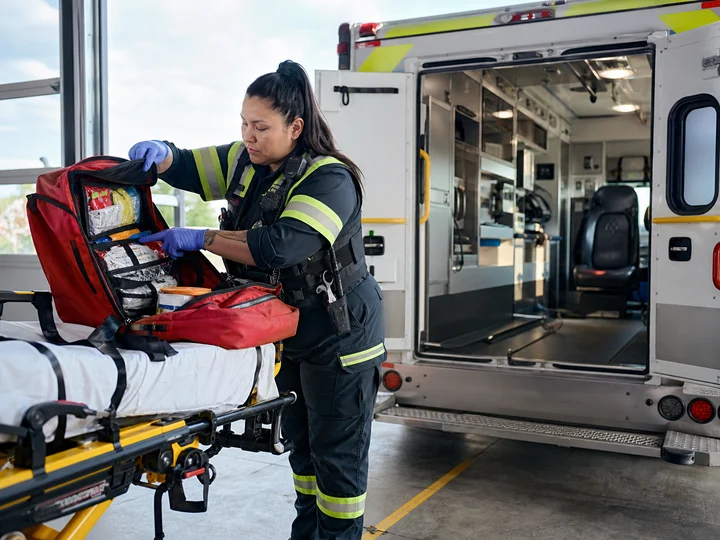
Support members across stations, shifts, deployment models and demanding emergency medical environments.
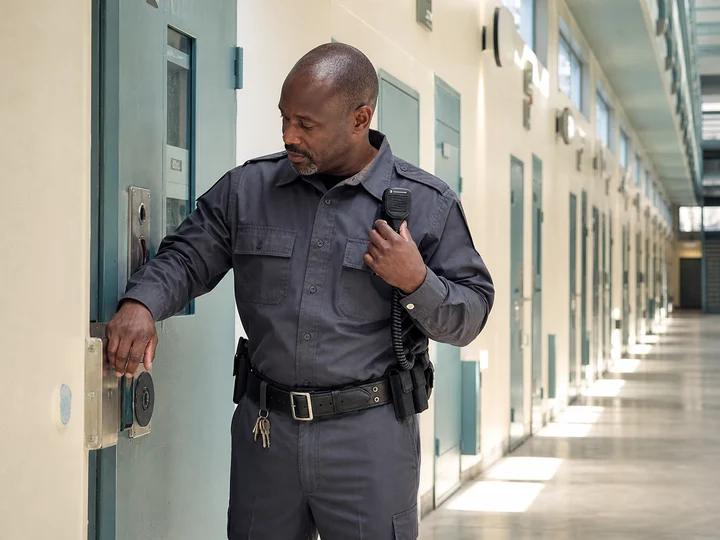
Manage representation across institutions, units, classifications and highly regulated correctional workplaces.
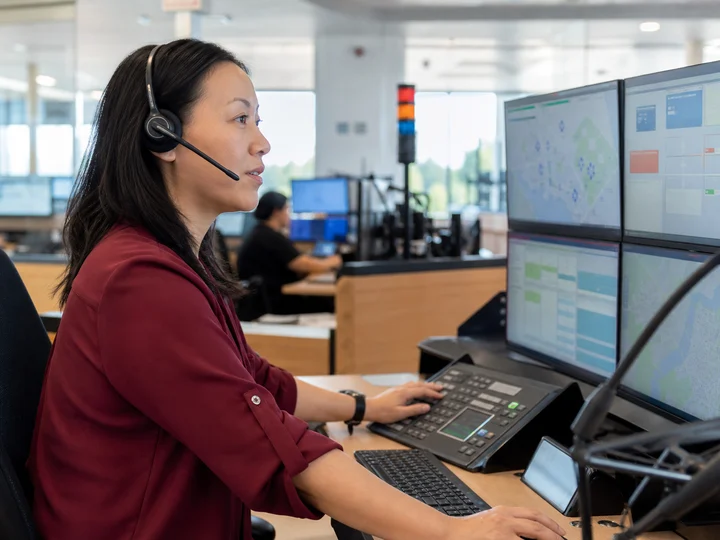
Represent emergency communications professionals working in high-pressure, continuously operating dispatch environments.
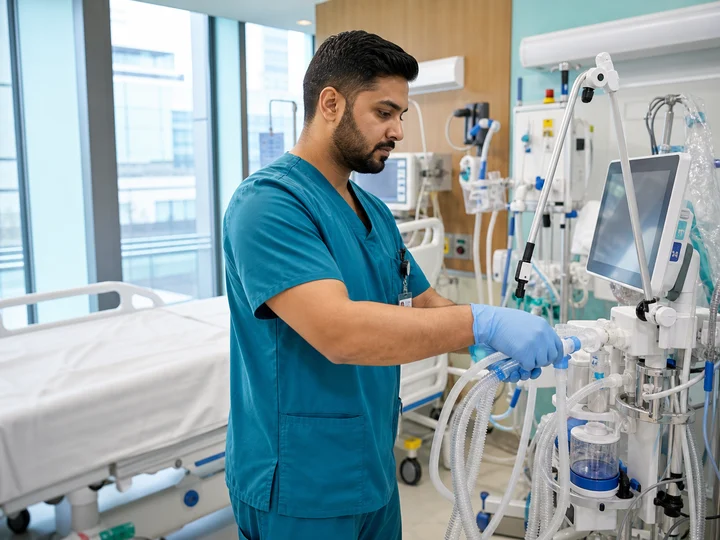
Support essential health workers across facilities, departments, classifications and around-the-clock care environments.
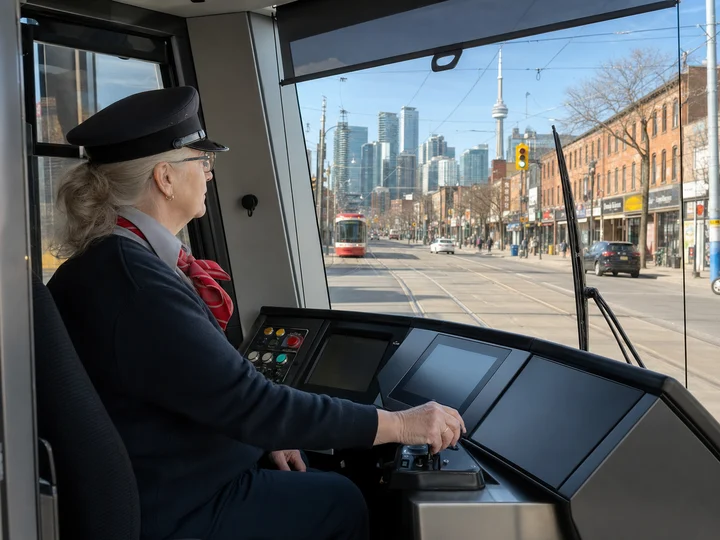
Represent essential transportation workers across routes, garages, control centres, facilities and shifts.

Support workers maintaining electricity, water, wastewater and other critical public infrastructure.
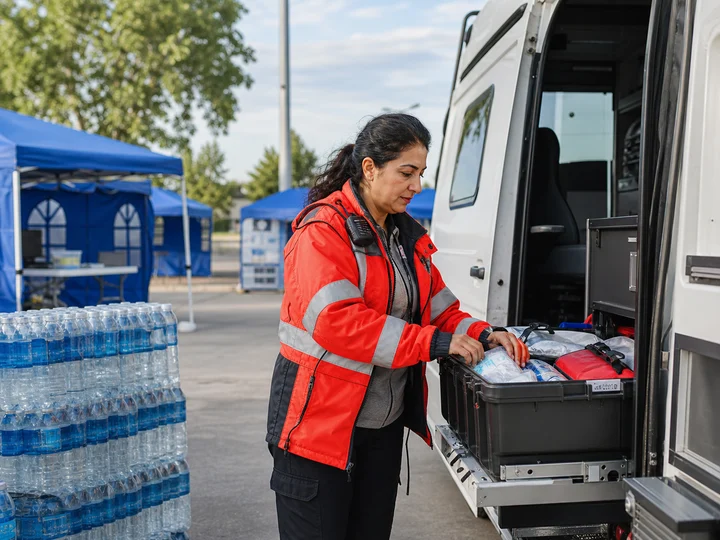
Coordinate representation for specialized public-safety employees across diverse operational environments.
Essential services frequently operate 24/7, requiring union representatives to support members across shifts, nights, weekends and geographically distributed workplaces.
Scheduling, overtime, vacancies, minimum staffing and deployment decisions can directly affect both members and service delivery.
Discipline, accommodation, workplace safety, critical incidents and operational decisions often require careful documentation and consistent representation.
Training, qualifications, assignments and specialized roles can significantly affect employment and representation.
Traditional office-based communication is not enough for members working in stations, vehicles, institutions, facilities or the field.
Past grievances, employer practices, agreement interpretations and operational precedents can be essential to future representation.
Staffing patterns, overtime, scheduling, workplace incidents and recurring member concerns can provide important context for negotiations.
Maintain accurate member records and organize members by station, division, facility, classification, unit, work location and representation structure.
Manage grievances, discipline, accommodation, investigations and other member cases from intake through resolution.
Keep collective agreement language accessible and connected to representation work.
Connect workplace history, recurring issues, member priorities and proposals.
Reach members through connected email, SMS and voice communications while targeting appropriate stations, units, shifts and groups.
Collect structured member input, workplace concerns and bargaining priorities.
Support union education, representative development and structured training programs.
Coordinate internal union work, responsibilities and organizational activity.
Identify trends across cases, worksites, classifications and issue categories.