Members move between employers and jobsites
The union relationship remains constant even when a member may work for several contractors and on multiple projects over the course of a year.
Construction & Skilled Trades
Support hiring halls, dispatch, and multi-employer jobsite coordination while maintaining accurate member records.

Construction unions operate differently from almost every other part of the labour movement. Members may move between employers, projects and jobsites throughout their careers while the union remains the constant. Union Software gives business managers, representatives, dispatch teams and union leadership the infrastructure to manage those relationships across the entire membership.
An electrician does not move through the industry in the same way as a labourer. An operating engineer has different qualifications and dispatch requirements than a carpenter. A pipefitter working on an industrial shutdown operates in a different environment than a roofer working across commercial projects.
Union Software is designed around those differences.

Coordinate members, qualifications, dispatch, contractors and representation across constantly changing projects and jobsites.
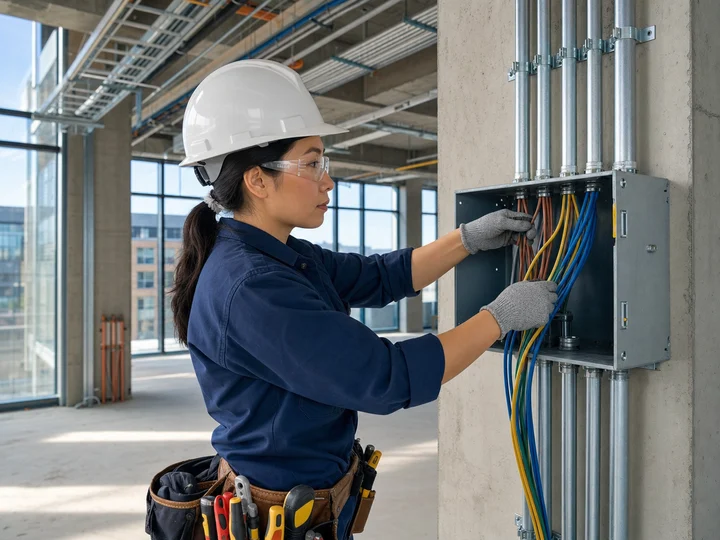
Support skilled electrical workers across construction, maintenance, industrial and specialized electrical environments.
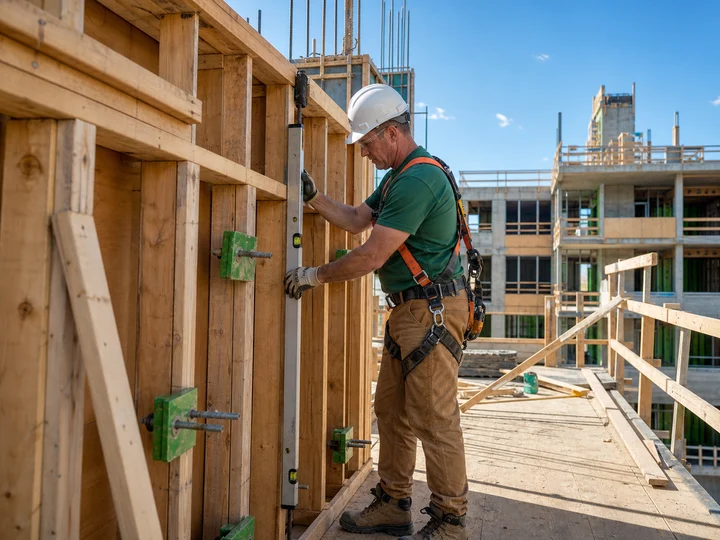
Manage members across commercial, institutional, residential and industrial construction while maintaining classification, dispatch and employment history.

Support specialized piping trades across construction, service, industrial and infrastructure projects.
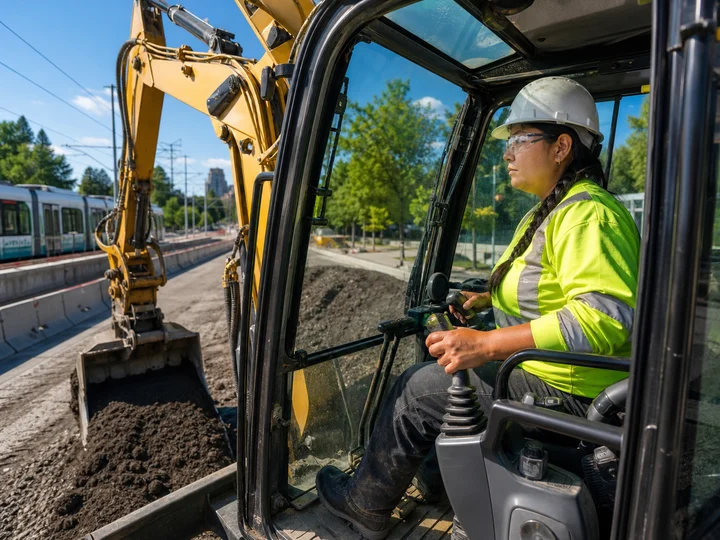
Coordinate qualified operators, equipment classifications, dispatch and job assignments across major construction and infrastructure projects.

Represent structural, reinforcing and specialty ironworkers across complex and often highly mobile project environments.

Support skilled members across fabrication, installation, HVAC-related construction and specialized sheet-metal work.

Coordinate highly skilled members moving between major industrial projects, shutdowns, maintenance work and specialized construction environments.

Represent painters, decorators, glaziers and related trades across diverse contractors, projects and worksites.

Support skilled masonry workers across commercial, institutional, restoration and specialty construction.

Coordinate members across contractors, projects, classifications and specialized roofing systems.

Support certified technical workers across construction, installation, service and maintenance environments.

Represent highly skilled members across industrial construction, maintenance, machinery installation and shutdown work.
The union relationship remains constant even when a member may work for several contractors and on multiple projects over the course of a year.
For unions operating hiring halls, availability, qualifications, priority rules, job requests and placement history must be managed clearly and consistently.
Trade classifications, certifications, safety credentials and specialized qualifications can determine where a member is eligible to work.
A workplace issue may arise on a temporary project or with a particular contractor, but the union needs to preserve that history after the member moves to the next job.
Union leadership needs visibility across employers, projects, sites and regions rather than treating each assignment as an isolated event.
Members may work at different sites, on different shifts and for different employers, making connected email, SMS and voice communication particularly important.
Contractor practices, dispatch history, grievance activity, employment patterns and member feedback can all inform negotiations and industry strategy.

Maintain accurate member records including classifications, worksites, employment history, representative relationships and union structure.
Track member availability, job opportunities, dispatch queues, assignments, priority rules and placement history while supporting clear and consistent hiring practices.
Manage grievances, complaints, investigations and other member matters across employers, contractors and jobsites.
Keep collective agreement language connected to the union’s operational work.
Connect proposals, negotiations, workplace experience and agreement history.
Reach members through email, SMS and voice while targeting trades, classifications, areas, jobsites and other relevant groups.
Support union education, training programs, attendance and credentials.
Collect job information, member updates, structured intake, surveys and industry feedback.

Track dues, payments, employer remittances and union financial activity.
Turn membership, dispatch, grievance and operational information into useful reporting.