Workplaces change quickly
Competitive pressures, ownership changes, restructuring, technology and changing business conditions can rapidly reshape private-sector workplaces.
Private Sector
Coordinate representation across employers, plants, stores, service locations, and multi-site bargaining units.

Private-sector unions operate in fast-moving environments where employers, workplaces, technology, staffing and competitive pressures can change quickly. Union Software gives officers, staff, organizers and stewards the structure they need to represent members consistently while keeping the union connected to what is happening across the workplace.
A manufacturing plant does not operate like a retail chain. A warehouse workforce has different structures and representation requirements than an airline. A food-processing facility faces different operational realities than a telecommunications company.
Union Software is designed around those differences.
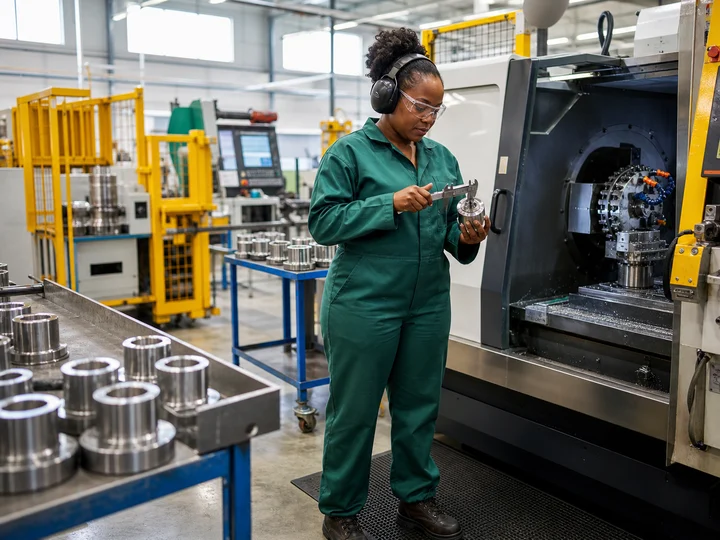
Coordinate members, stewards, grievances and bargaining across plants, departments, production lines, classifications and shifts.

Support members across stores, branches, customer-service environments and geographically distributed workplaces.
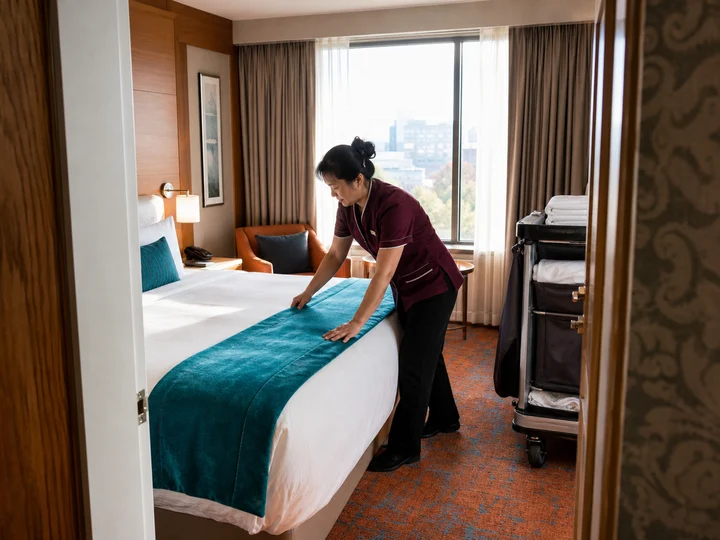
Represent employees across hotels, food service, convention facilities and other hospitality environments operating around the clock.

Connect representation across terminals, fleets, routes, facilities and mobile workforces.

Manage fast-moving workplaces built around shifts, departments, distribution centres and operational performance.

Support members working in production, packaging, sanitation, maintenance, warehousing and other specialized plant operations.
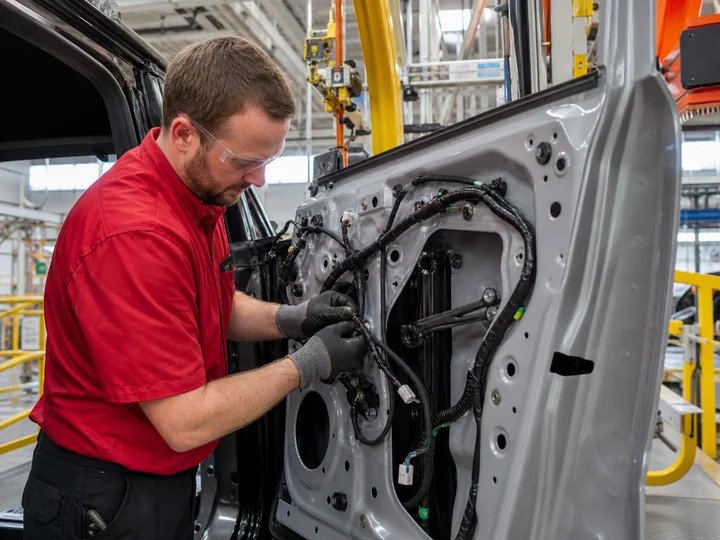
Coordinate representation across assembly, parts, component manufacturing, service and related automotive workplaces.

Represent employees across airports, airlines, ground operations, maintenance and other highly regulated transportation environments.
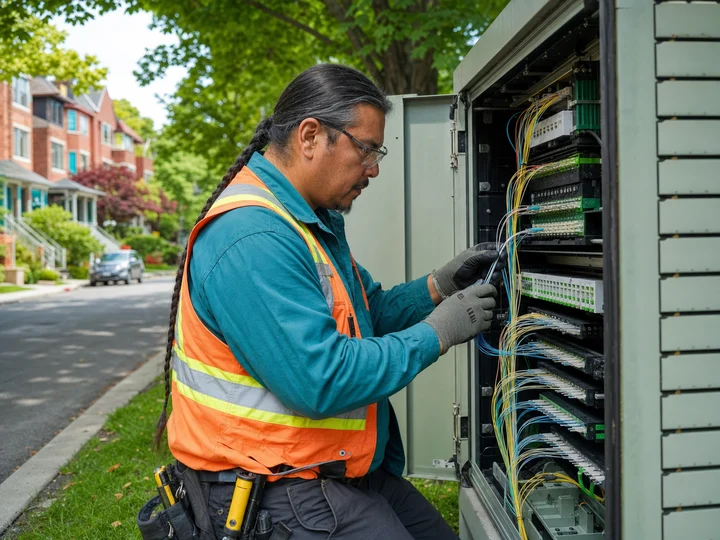
Support technical, field, customer-service and professional employees across rapidly changing communications workplaces.

Represent skilled and operational workforces across energy production, industrial facilities and related service environments.
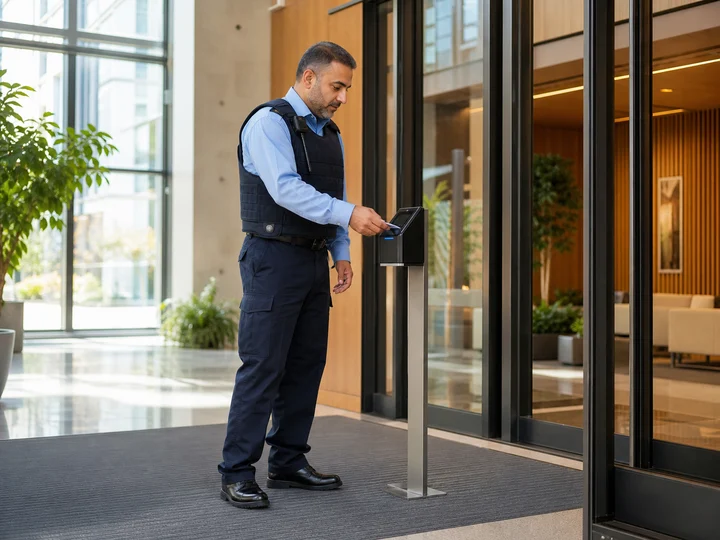
Coordinate representation across client sites, contracts, schedules and geographically distributed security workplaces.

Represent professional, technical, administrative and knowledge-based employees through organizational and technological change.
Competitive pressures, ownership changes, restructuring, technology and changing business conditions can rapidly reshape private-sector workplaces.
A bargaining unit may span multiple stores, facilities, terminals, branches, plants or geographic regions.
Scheduling, overtime, production, attendance, discipline, classification and workplace change can create significant representation activity.
Private-sector unions need reliable infrastructure not only to service existing members, but also to grow membership and build workplace leadership.
Agreement language becomes most useful when representatives can connect it to members, grievances, workplaces and recurring issues.
Grievances, member feedback, employer changes and workplace trends can provide important insight when establishing bargaining priorities.
Maintain accurate member records and organize members by employer, worksite, classification, unit, shift and representation structure.
Manage grievances, complaints, investigations and other member cases from intake through resolution.
Manage organizing campaigns, worker outreach, workplace leadership, support and campaign activity.
Connect proposals, bargaining activity, workplace issues and representation history.
Reach members across email, SMS and voice while targeting the appropriate workplaces, classifications and groups.
Keep collective agreement language connected to the operational work of the union.

Manage dues, employer remittances, payments and union financial activity.
Turn membership, grievance, organizing, bargaining and financial data into usable operational and leadership reporting.