Members are distributed
Public-sector unions often represent members across many facilities, departments, regions and classifications.
Public Sector
Represent members across departments, classifications, worksites, facilities and bargaining units with one connected system.

Public-sector unions operate in some of the most complex workplaces in the labour movement. Union Software gives officers, staff and stewards the structure they need to represent members consistently across those environments.
A school board local does not operate like a paramedic association. A municipal union does not operate like a hospital local. A transit workforce has different structures, schedules and representation requirements than a government agency.
Union Software is designed around those differences.

Coordinate members, stewards, grievances and communications across schools, classifications and bargaining units.

Support high-volume representation across hospitals, departments, facilities and complex shift structures.

Manage diverse classifications and departments across the full operational structure of a municipality.

Coordinate representation across agencies, programs, employers and decentralized community workplaces.

Connect members, departments, campuses, committees and representation work across post-secondary institutions.

Give representatives one operational view across branches, classifications and member issues.
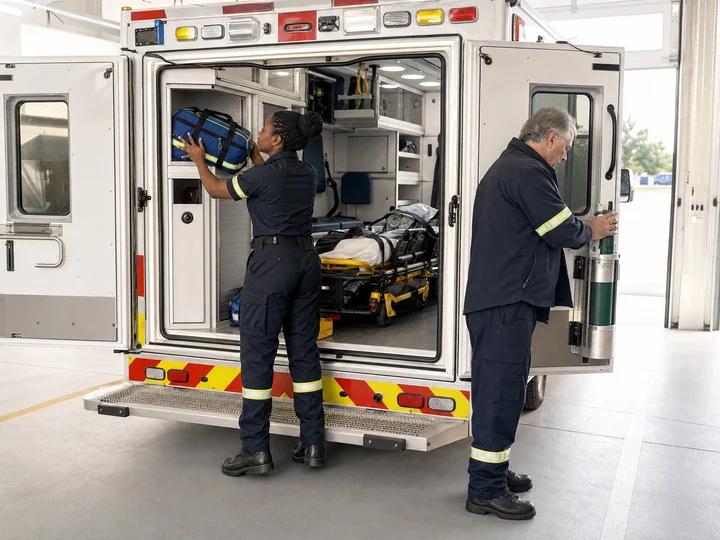
Support members across stations, shifts and classifications in demanding emergency-service environments.

Manage classifications, worksites and representation across skilled public-sector operations.

Represent operators, maintenance employees and other transit workers across routes, garages, facilities and shifts.

Support specialized employees responsible for electricity, water, wastewater and other critical public infrastructure.

Represent increasingly diverse administrative, technical and professional public-sector classifications.

Coordinate complex memberships across agencies, regions, offices, classifications and bargaining structures.
Public-sector unions often represent members across many facilities, departments, regions and classifications.
Grievances, accommodations, discipline, scheduling and collective agreement issues may involve different representatives and workflows.
Elected leadership and staff change. The union’s history cannot disappear with them.
Not every member needs every message. Worksite, department, bargaining unit and classification matter.
Grievance patterns, member feedback and workplace issues often become bargaining priorities.

Maintain accurate member records and organize members by worksite, classification, unit and representation structure.

Manage grievances, complaints, investigations and other member cases from intake through resolution.

Connect proposals, bargaining activity and workplace history.

Reach members through connected communication tools and target the appropriate groups based on union structure.

Manage dues, employer remittances, payments and union financial activity.
Turn member, grievance, bargaining and financial data into usable operational and leadership reporting.