The board sees one picture
Advanced Reports rolls membership, open cases, dues, and bargaining progress into a pack you can walk. The number still opens the file.

By Role
Walk into the executive board with the local in view — open cases, bargaining, votes, dues, and what members were actually told.
Union Software is built for the collective bargaining economy — the local, the unit, the hall, the board — not for an employer HR stack. For a President the value is not a feature list. It is being able to chair, sign, speak, and decide from the same records the rest of the union already works in.
Advanced Reports, Bargaining, Voting, Communications, and People sit on one presidency. Open cases, the round, dues standing, and what members were sent are live records, not a Monday rebuild.
The pack answers what is open, where the round stands, who is in standing, and what the unit was told. A challenged number opens the file.
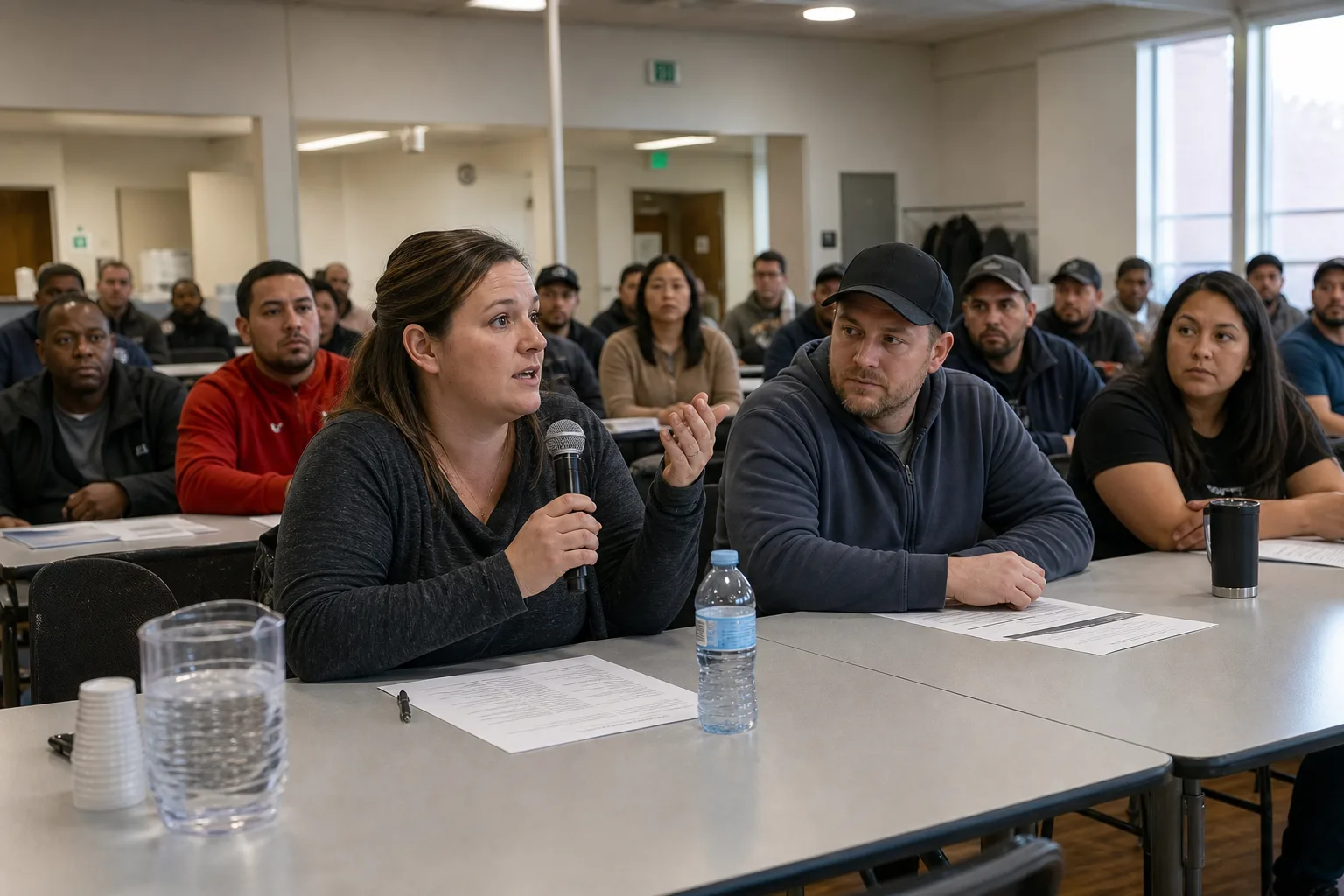
Advanced Reports rolls membership, open cases, dues, and bargaining progress into a pack you can walk. The number still opens the file.
Bargaining keeps the unit, the agreement, the committee, proposals, sessions, and member-ready updates in one round. You can answer “where do we stand?” without interrupting the table for another spreadsheet.
Voting puts eligibility, notices, the ballot, turnout, observers, and certification in one vote record. People supplies who is eligible. Communications sends the notice. Individual selections stay anonymous.
Communications sends the update through email, SMS, or voice to the unit, classification, or worksite that should hear it — the same people who sit in People.
People holds the member, the employer, the unit, and the steward assignment. Grievances & Cases and Advanced Reports can be filtered the way the local is actually structured.
Case records are private by default. Bargaining can keep committee strategy separate from member-ready updates. You see what your role is allowed to see.
The board meets Thursday. Last month you asked for open grievances, arrears, and “where bargaining is.” You received three emails and a spreadsheet that did not match the Secretary-Treasurer’s verbal report.
Open a leadership report filtered to this month: membership counts, open cases, dues position, and the bargaining round.
Drill from the open-case total into the case list and flag anything overdue or due this week.
Add the finance overview and the bargaining round-progress view so the verbal report matches the pack.
Save the same filtered views for the Recording Secretary to attach to the notice.
Build tables, summaries, charts, and pivots, then drill through to the case list.
Bargaining keeps proposals, sessions, and the agreement on one round.
Voting builds eligibility from People and certifies turnout without showing selections.
Communications sends only the board-approved text to the targeted records.
People, cases, and reports filter by unit, employer, and worksite.

member, unit, employer, classification, steward assignment, good standing.

the protected case record the board number opens.

current and historical contracts, searchable articles.

the round: proposals, sessions, costing, member-ready updates.

notices and updates to the people in People.

board packs from live records.

officer elections, ratification, strike vote; eligibility, turnout, certification.

if the vote carries: readiness, locations, shifts, check-ins, strike pay.

the dues position you sign beside, not a second set of books.
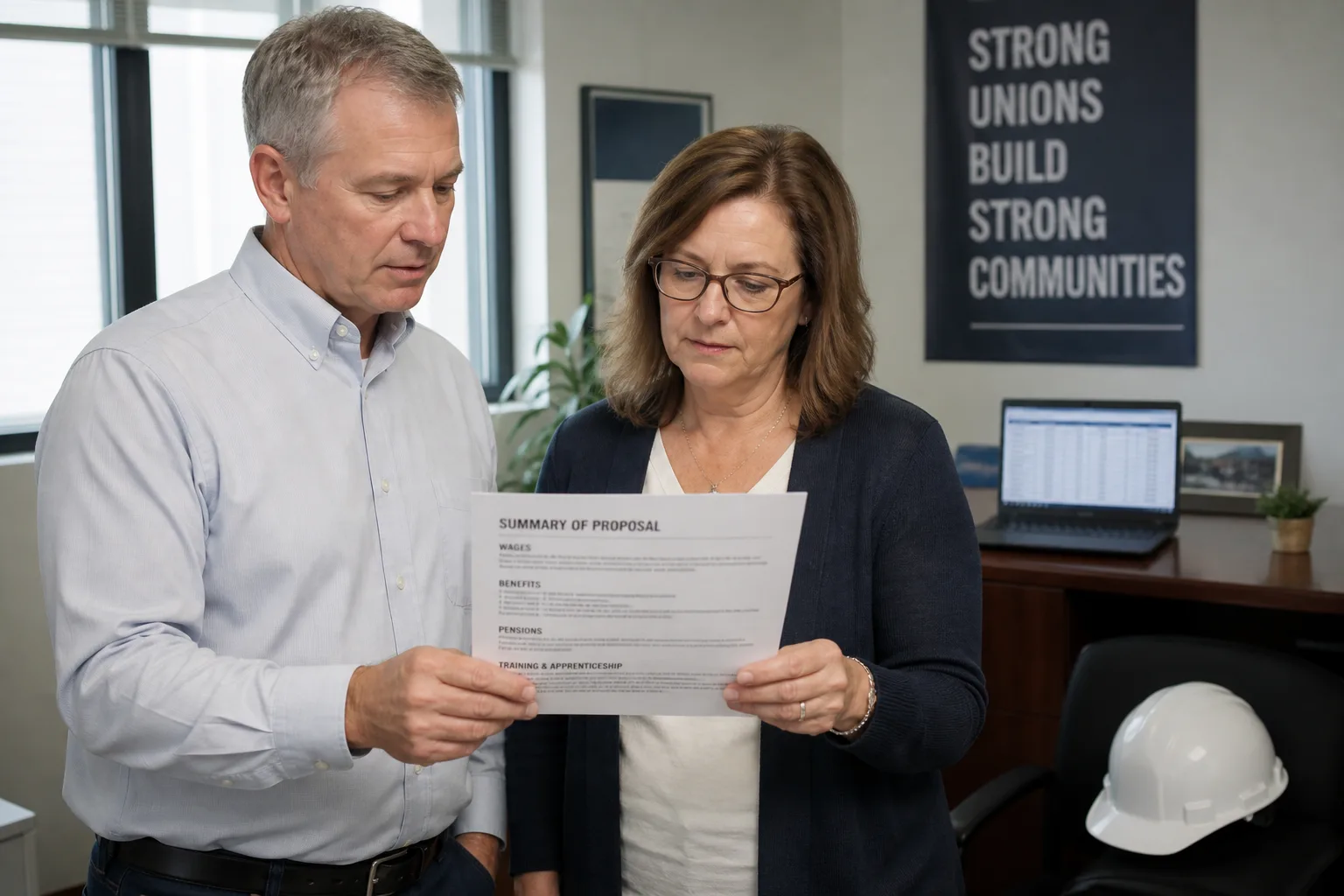
This is not a promise that software chairs the meeting. It is a promise that the President is not assembling the local out of inboxes the night before.
Get StartedAdvanced Reports builds it from current cases, dues, membership, and bargaining. A challenged number opens that file.
Yes. Cases stay private by default. Reports show counts, deadlines, and assignees. The record opens only with the access it already has.
People, cases, agreements, and reports filter by unit, employer, and worksite. One presidency, not three spreadsheets.
Voting holds eligibility from People, the ballot, notices, observers, turnout, and certification. Turnout is visible. Selections are not.
Bargaining keeps committee strategy on a restricted lane. Communications sends only the approved text to that unit in People.
Hiring Hall, People, and standing are on the same records you already chair from. Filter to the units you need.